Site Kit Audit
Review kit locations, expected headcount, incident patterns, and current cabinet contents. The audit notes missing labels, expired supplies, duplicates, and items that belong in a separate emergency response plan.

First aid programs break down when cabinets become a mix of expired supplies, duplicate SKUs, missing burn care, and undocumented refill habits. First Aid Only helps EHS, purchasing, and distributor teams reset that process with a structured but practical service model. We start with work area mapping, review ANSI Z308.1 Class A and Class B kit needs, separate high-turn consumables from slow-turn emergency items, and prepare a stocking plan that a site supervisor can audit without a complicated system.
The result is a cleaner program: fewer cabinet surprises, clearer ownership, and supply lists that match actual risk. We do not claim that one kit can cover every incident. Instead, our service approach shows where a general workplace kit is appropriate, where supplemental modules make sense, and where an employer should coordinate with qualified medical, EHS, or emergency response professionals.
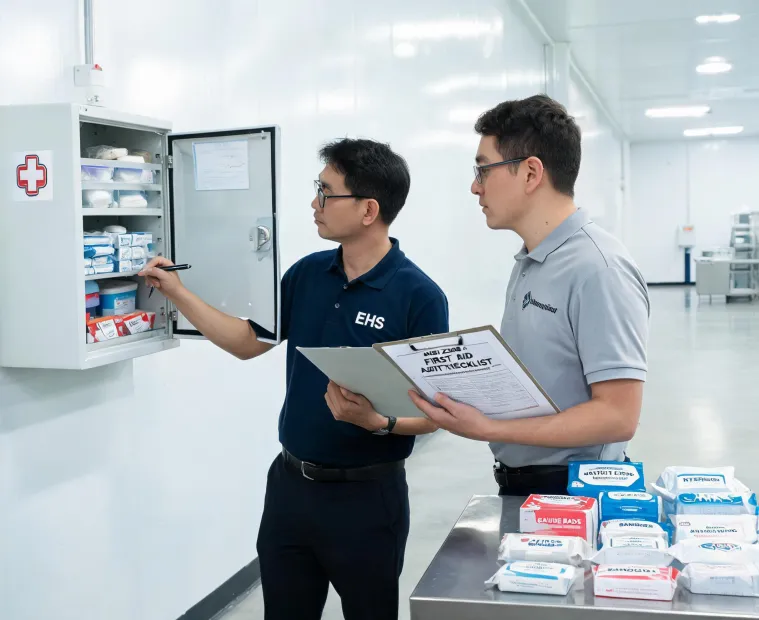
Each service block is designed to reduce uncontrolled buying while keeping the first aid station ready for ordinary workplace incidents.
Review kit locations, expected headcount, incident patterns, and current cabinet contents. The audit notes missing labels, expired supplies, duplicates, and items that belong in a separate emergency response plan.
Map each cabinet to ANSI Z308.1 Class A or Class B planning language and document where supplemental burn, eye, bleeding control, or heat stress supplies should be considered.
Separate fast-moving bandages, wipes, gloves, and cold packs from low-use emergency items so buyers can reorder the right refill modules rather than replacing entire kits unnecessarily.
Prepare a simple item list, stocking note, and reorder cadence for distributor partners, vending teams, or punchout catalogs without creating an oversized custom SKU tree.
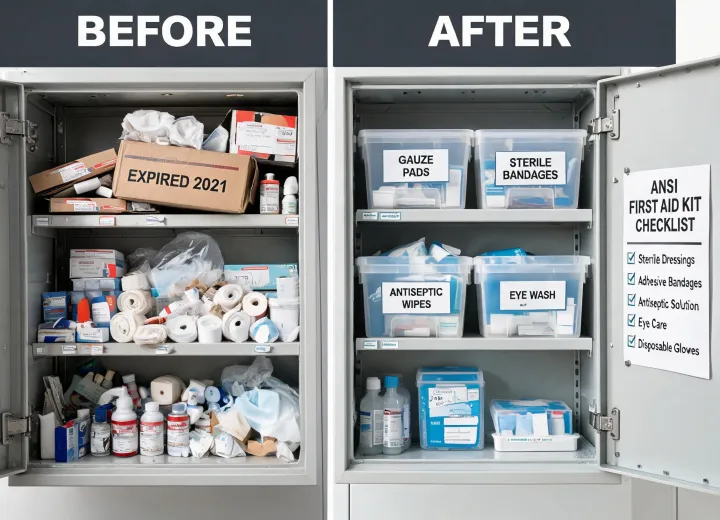
A fabrication site with three shifts had cabinets that looked full but contained expired wipes, partial bandage boxes, and no consistent record of eye wash or burn care replenishment. The service reset grouped consumables into refill packs, assigned a monthly check to the safety lead, and moved site-specific emergency items into a separate response cabinet. Purchasing kept the same distributor, but the order list became shorter and easier to approve.
This pattern is common for multi-shift industrial teams. The problem is rarely that people ignore first aid. The problem is that no one owns the cabinet as a maintained asset. Our service language gives the site a defensible routine: inspect, record, replenish, and review after incidents or scope changes.
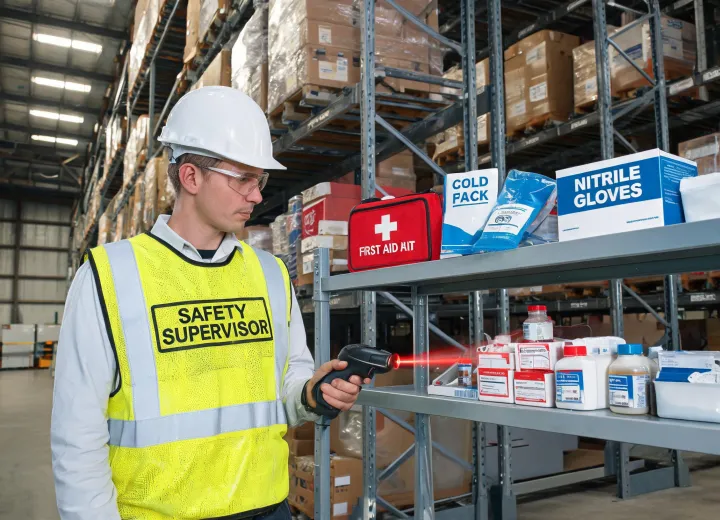
Distributor branches need a program that can be repeated without engineering a separate plan for every small customer. First Aid Only service support converts common workplace profiles into a concise refill and cabinet guide. The guide can be used during quote intake, annual account reviews, and punchout setup, keeping the conversation focused on likely risks, headcount, and kit class rather than open-ended catalog browsing.
Send the number of work areas, rough headcount, and the kit types already on site. We will respond with a practical plan for kit class review, refill grouping, and supply ownership. The recommendations are meant to support workplace planning, not replace professional medical advice, site-specific risk assessment, or applicable legal obligations.